Explore Our Mountains

The Panorama

We study enhancer-mediated gene misregulation in immune dysfunction diseases

We aim to discover and characterize therapeutically relevant enhancers for precision genomic medicine

Immune dysfunction is a key driver of disease. Our lab investigates how enhancers—divergently transcribed, noncoding, highly cell-type-specific distal transcription regulatory elements—govern immune responses in health and disease.

We develop and integrate advanced genomic tools—bulk and single-cell nascent RNA sequencing, genome editing, immune engineering, and CRISPR-based functional screens—and apply them in organoids, mouse models, and patient biopsies.

By combining AI and machine learning with single-cell measurements, we aim to decode the genome’s regulatory syntax and logic, and map dynamic enhancer-gene networks and regulatory circuits across cell states and cell types.

By functionally characterizing and targeting disease-driving enhancers, our goal is to develop less toxic, more effective therapies. Our vision is to advance enhancer-guided precision genomic medicine for immune dysfunction diseases.

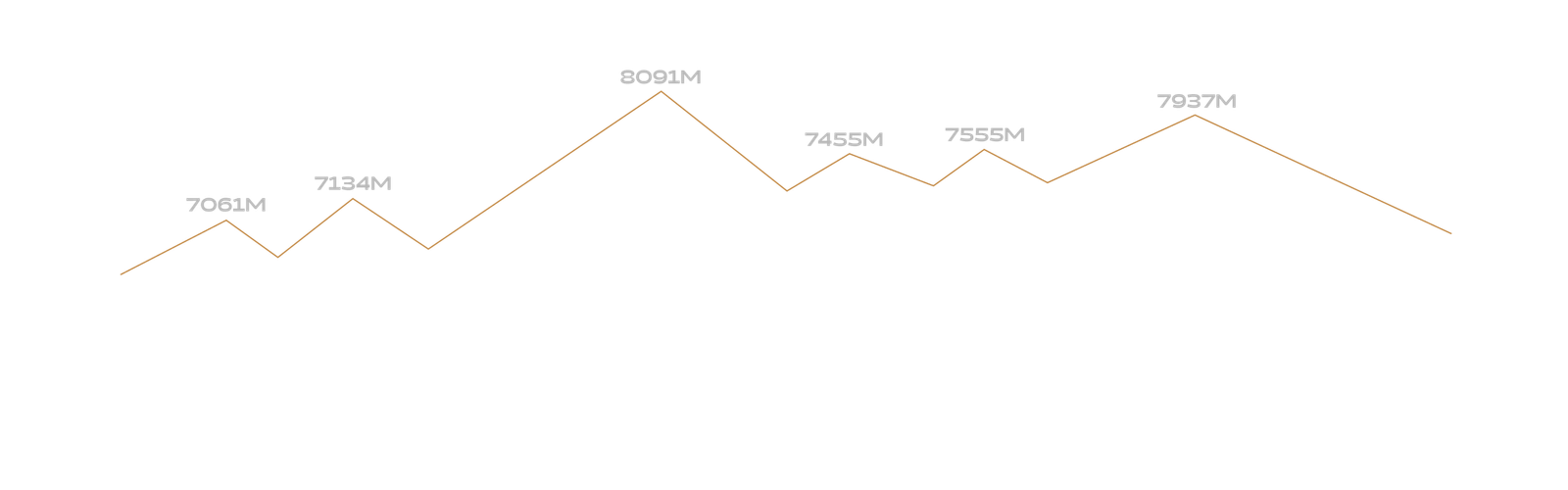
The Peaks

triangle

Map regulatory circuits

Identify and characterize enhancers
dictating gene expression & cellular identity

triangle

Model cellular systems

Integrate experimental and computational
measurements to predict biological outcome

triangle

Modulate immune responses

Reprogram immune constituents in
disease environments to enhance therapies

triangle

Master genomic logic

Decipher enhancer-gene maps
and decode variant to function

triangle

Monitor health states

Engineer synthetic regulatory elements
for non-invasive surveillance of organ health

triangle

Mount precision interventions

Target transcription regulatory elements
for less toxic more potent genomic medicines

The Projects

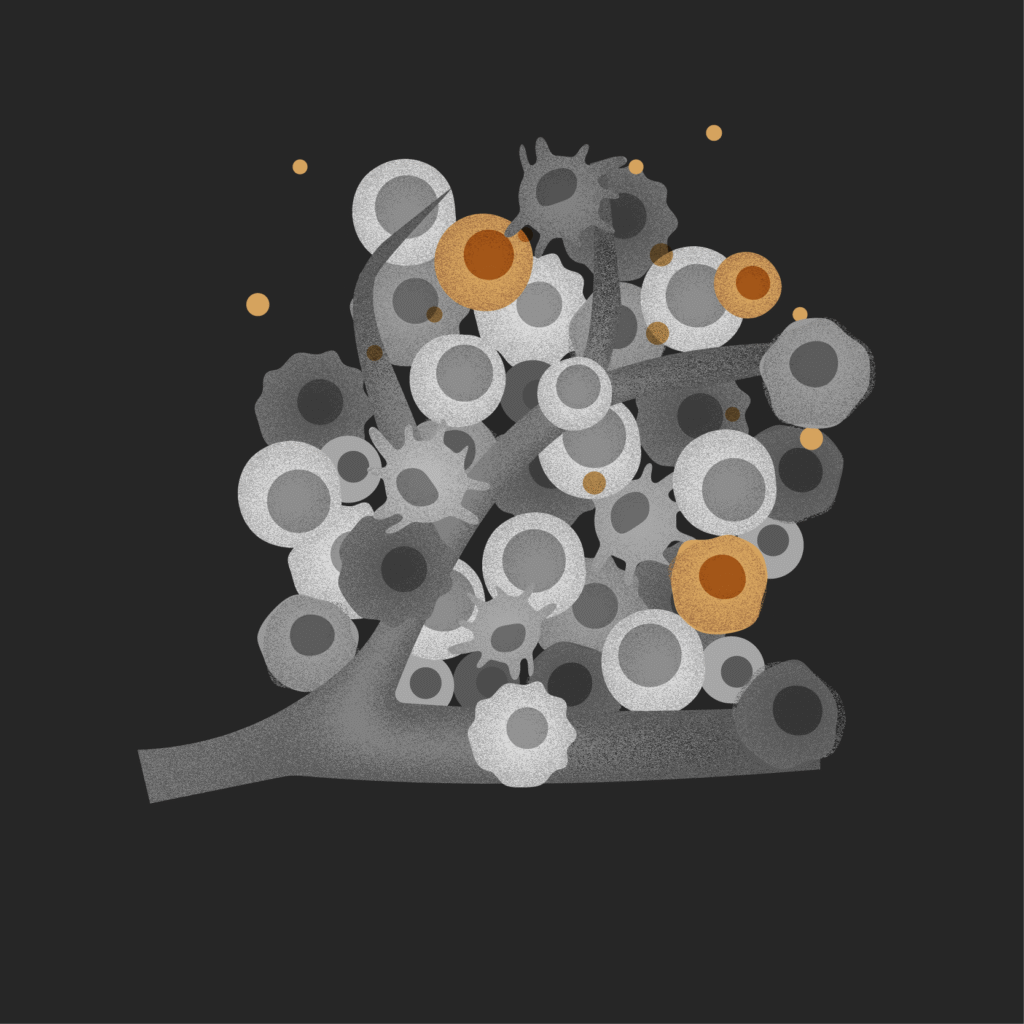
Enhancers in cancer

Enhancers in cancer

Cancer cell-intrinsic gene programs shape the tumor microenvironment, yet how immune cells interpret and respond to these cues remains unclear. We aim to discover and disarm enhancers in tumor-infiltrating immune cells that sustain cancer-driven immunosuppressive programs in pancreatic ductal adenocarcinoma—a template applicable to other solid cancers.

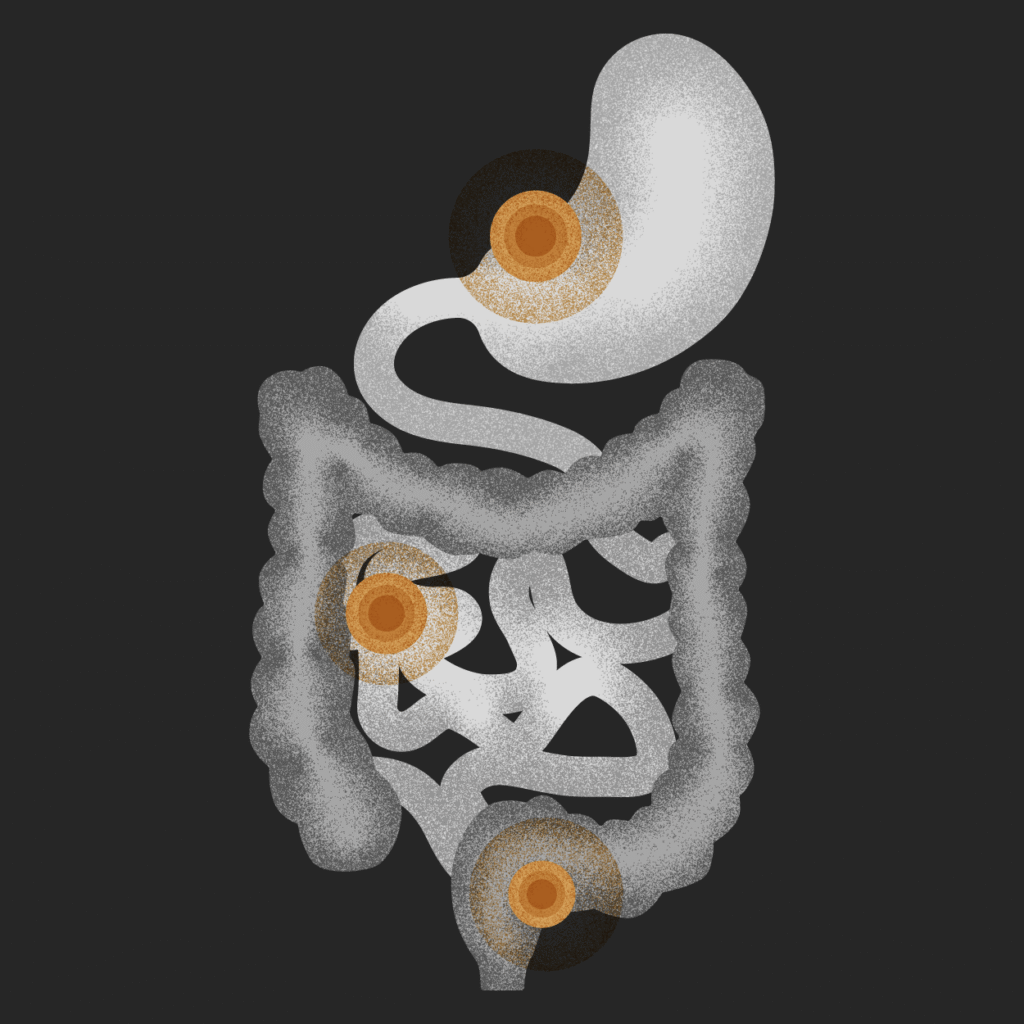
Enhancers in inflammation

Inflammation is a major risk factor for gastrointestinal cancer, but its mechanisms are unclear. We hypothesize that inflammation leaves a “transcriptional memory” in enhancers that regulate pro-survival genes, which oncogenic events can hijack. We aim to discover and disarm inflammation-primed enhancers that promote tumorigenesis in the gastrointestinal tract.

enhancers in inflammation
Enhancers in the immune system

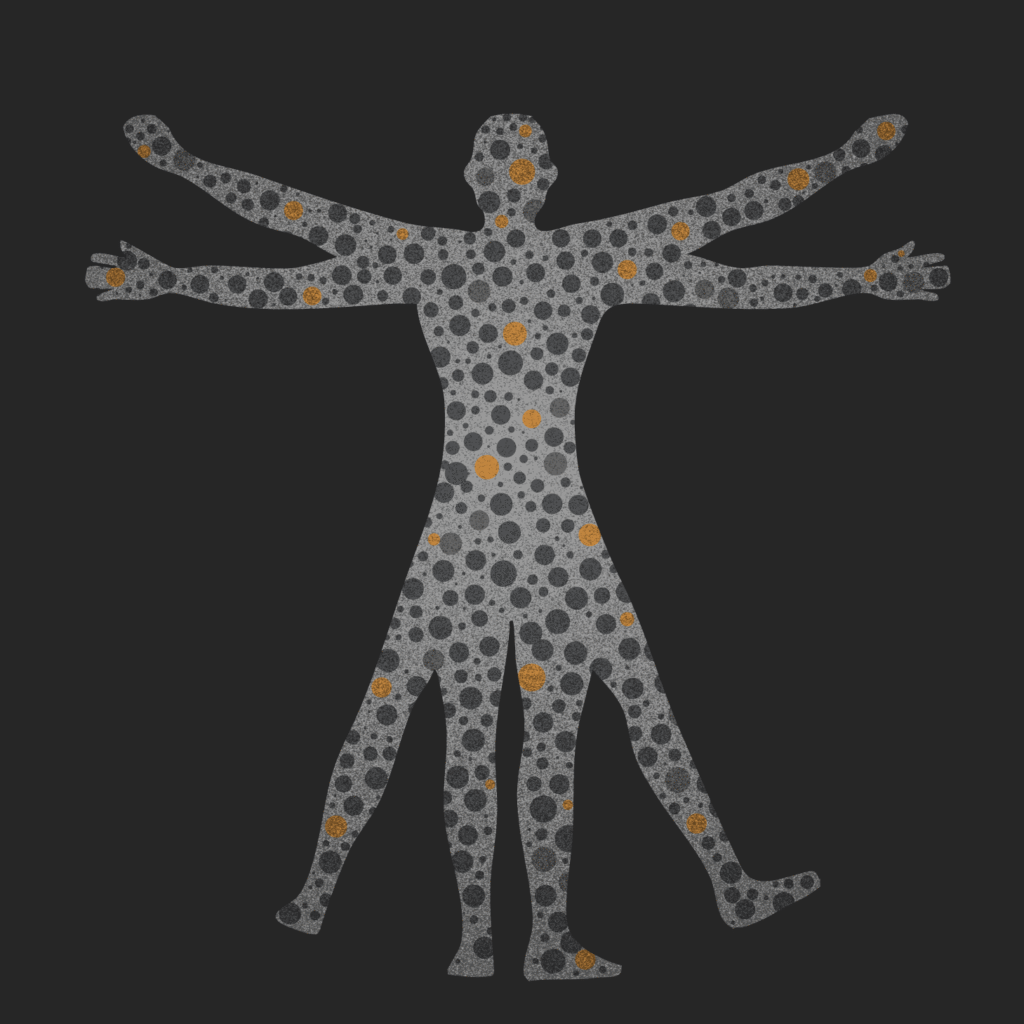
Enhancers in autoimmunity

Genome-wide association studies (GWAS) show most autoimmune disease risk variants localize to enhancers, but the genes, pathways, and immune cell types they affect remain largely uncharacterized. We aim to discover and disarm enhancers harboring these variants, advancing understanding of disease mechanisms and contributing to the Variant-to-Function (V2F) initiative.

Regulatory logic mapping

AI and machine learning are used to build prototypes of virtual cell models, but most rely on scRNA-seq, which lacks temporal resolution to distinguish causal effects from downstream cascades. Using scGRO-seq, which discerns primary from secondary responses and scores gene and enhancer changes, we aim to develop mechanistically informed, temporally resolved models to accelerate drug discovery.

Zumble to circuit

Genomics technology development

When existing tools fall short, we develop new ones to close gaps in resolution or functionality. By combining chemical probes, biochemical methods, and systems-level approaches, we design robust, high-throughput genomic assays. Working with industry and academic partners, we focus on creating multimodal single-cell technologies for use in patient-derived tissues.

Scroll to Top