
Meet Our Climbers

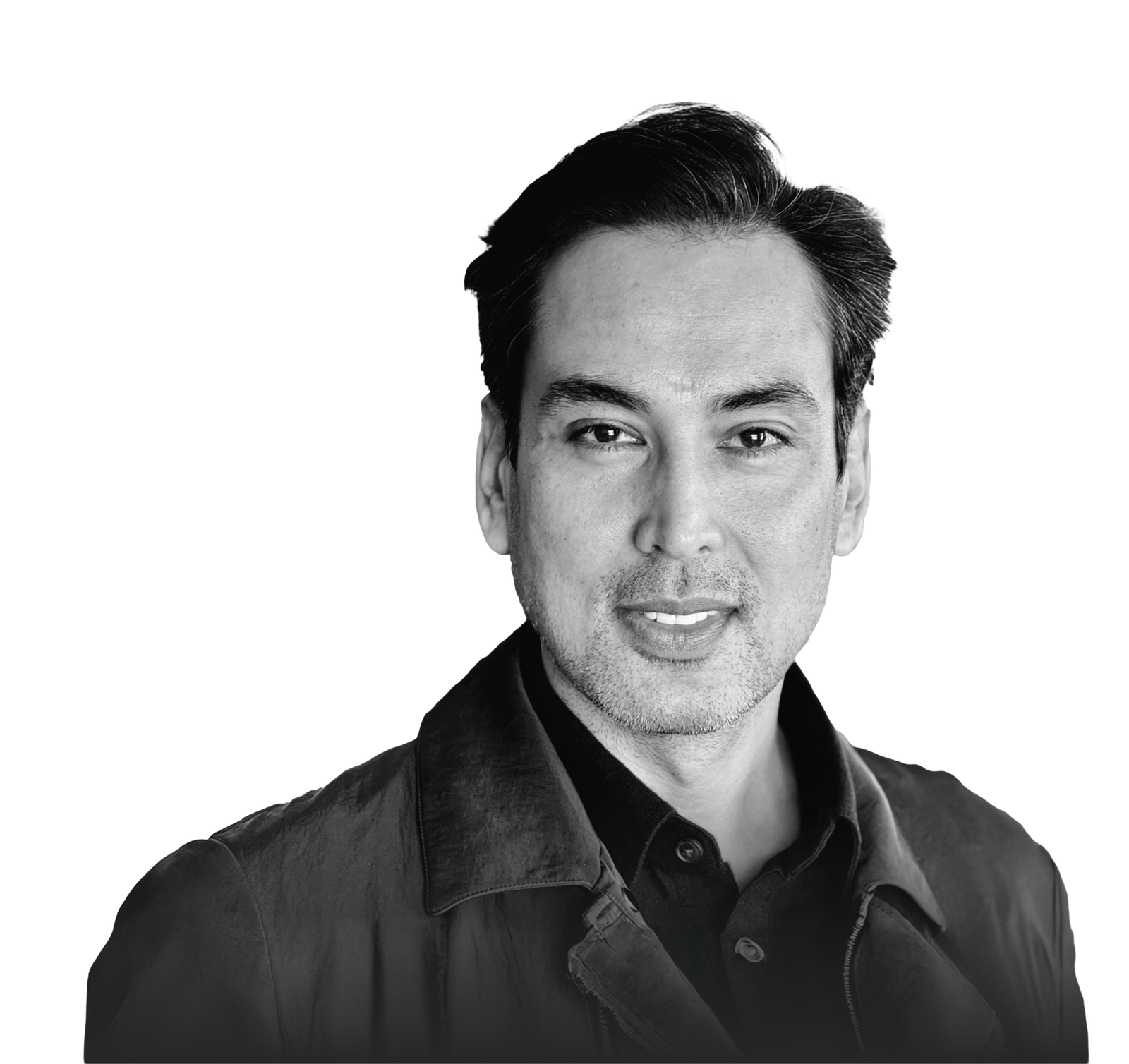
Dig Bijay Mahat
Assistant Professor
Department of Systems Biology
Columbia University Irving Medical Center
Group Leader
Laboratory of Immunogenomics
bi[o]hub | New York
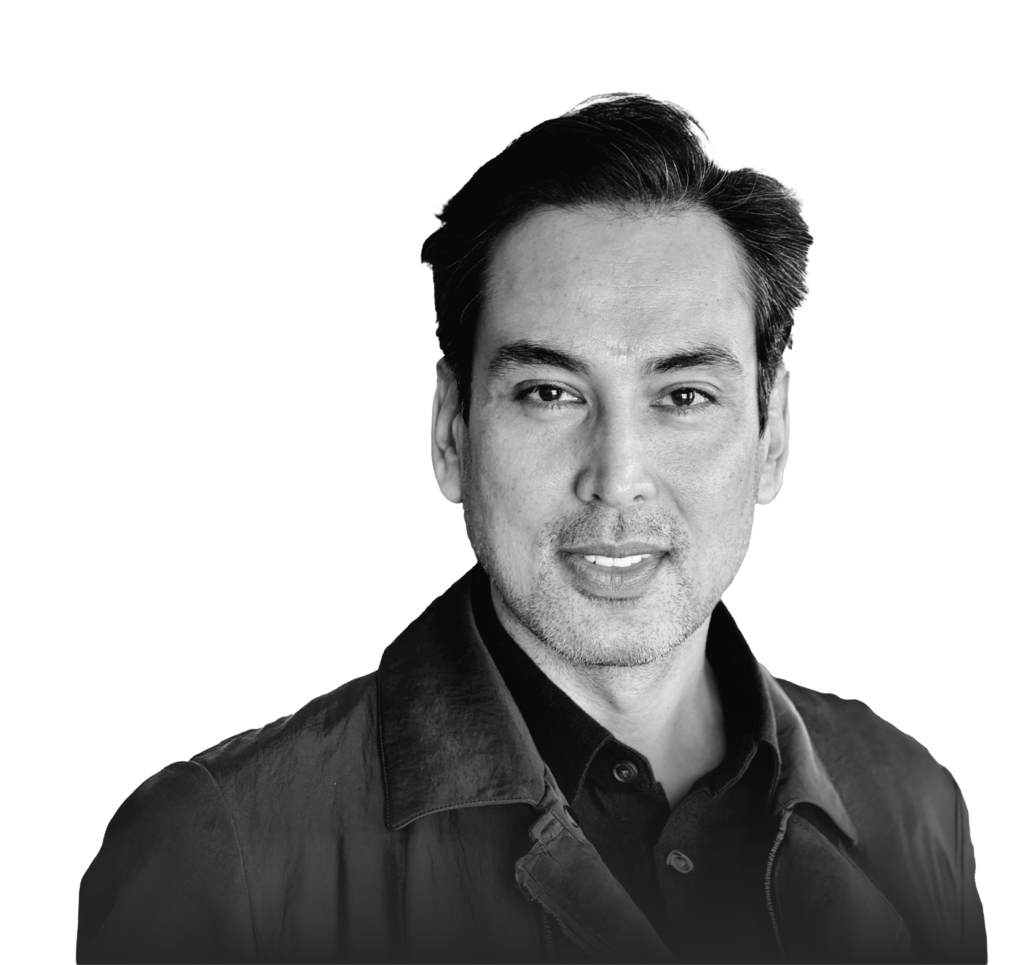
Dig Bijay Mahat
Dig Bijay holds a B.S. in Biochemistry, Molecular Biology, and Bioinformatics from Towson University. His research journey began in Dr. Gerald Wilson’s lab at the University of Maryland, Baltimore, where he studied RNA stability and its role in breast cancer. This experience ignited his interest in gene expression and disease. He earned his Ph.D. in Molecular Biology and Genetics at Cornell University with Dr. John Lis, developing nascent RNA sequencing methods and applying them to examine transcriptional dynamics and gene regulation under proteotoxic stress. His thesis work showed that transcription during heat stress is primarily regulated at the level of paused RNA polymerase II and its release, revealing a more focused role for transcription factor HSF1 than previously understood. He also found that proteotoxic stress leaves a transcriptional memory in enhancers, which can be exploited during tumorigenesis.
Dig Bijay joined Dr. Phillip Sharp’s laboratory at the Koch Institute for Integrative Cancer Research at MIT for his postdoctoral training. There, he focused on non-coding regulatory elements and their roles in immune dysfunction and disease. He developed a single-cell nascent RNA sequencing technology that captures active transcription with single-nucleotide resolution, revealing coordinated transcription across the genome between enhancers and their gene targets. In a collaboration spanning three institutions, he discovered that mutant p53—the most frequently mutated gene in cancer—gains a novel function by co-opting enhancers of immunosuppressive chemokines, thereby promoting immune evasion in pancreatic cancer.
Dig Bijay’s training in biochemistry, genomics, and immunology inspires his research on transcription dysregulation in diseases. His lab focuses on identifying and targeting disease-driving enhancers, especially those that regulate cytokines/chemokines in the tumor microenvironment and harbor genetic risk variants associated with autoimmune disorders. By developing and applying genome-wide assays and combining them with AI and machine learning approaches, his lab aims to understand how non-coding DNA sequences control gene expression, ultimately leading to new therapeutic strategies for immune dysfunction diseases.

What’s in the name?

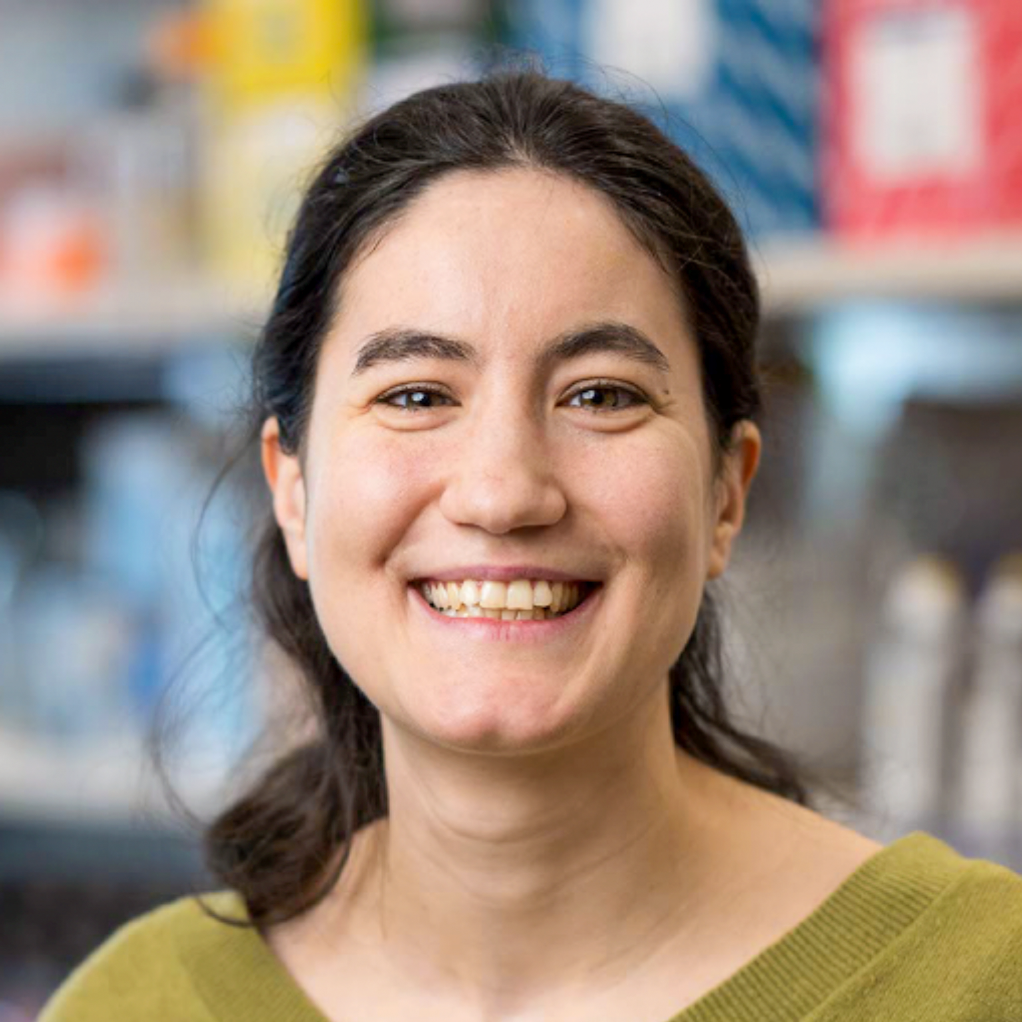
Kalina Belcheva, PhD
Postdoctoral Fellow
Kalina Belcheva, PhD
Transcriptional Control | Immune Cell Development | Functional Genomics
Kalina completed a dual BSc/MSc in Neuroscience at the University of Nottingham, UK, followed by a PhD at Weill Cornell, USA, where she defined the transcriptional networks required for stable B cell identity and investigated mechanisms underlying antibody diversification in B cells. For her postdoctoral studies, Kalina is interested in the transcriptional and epigenetic mechanisms that establish and maintain immune cell identity and function – both during normal development and in disease states.
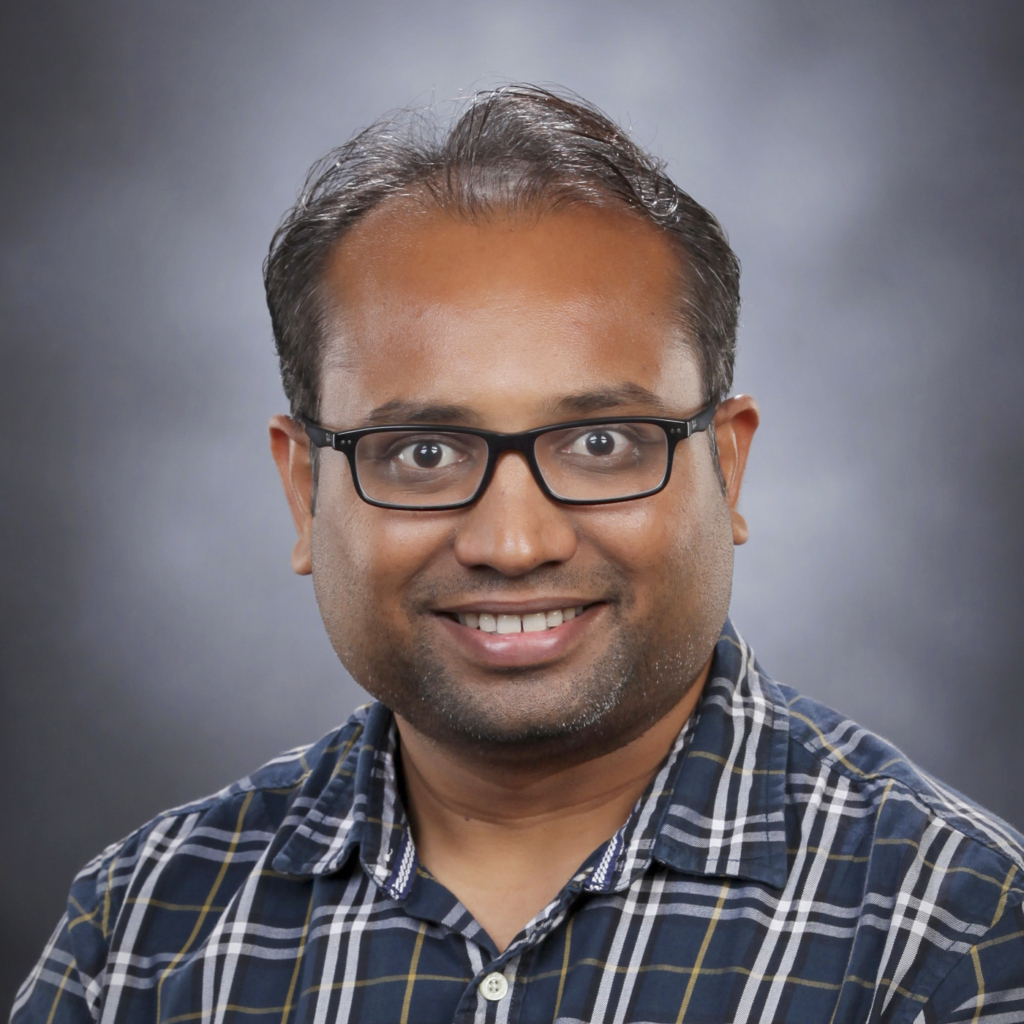
Gopal Chovatiya, PhD
Scientist
Gopal Chovatiya, PhD
Transcriptional Gene Regulation | Non-coding Regulatory Elements | Nascent Transcriptomics Technologies
Gopal Chovatiya is a Scientist in the Immunogenomics group led by Jay Mahat at Chan Zuckerberg Biohub New York, which he joined in April 2026. His research focuses on advancing ultra-resolution genomic technologies and deploying them across diverse tissue contexts to elucidate how non-coding regulatory elements govern cell identity, cellular function, and disease biology. Prior to joining Biohub, Gopal completed his postdoctoral training at Cornell University in the laboratory of Prof. Doina Tumbar, with co-mentorship from Prof. John Lis, where he pioneered a method for cell-type-specific nascent transcriptomic profiling within native tissue environments — a broadly applicable approach with implications across diverse tissues and disease contexts. He received his Ph.D. from the Advanced Centre for Treatment, Research and Education in Cancer (ACTREC), India.
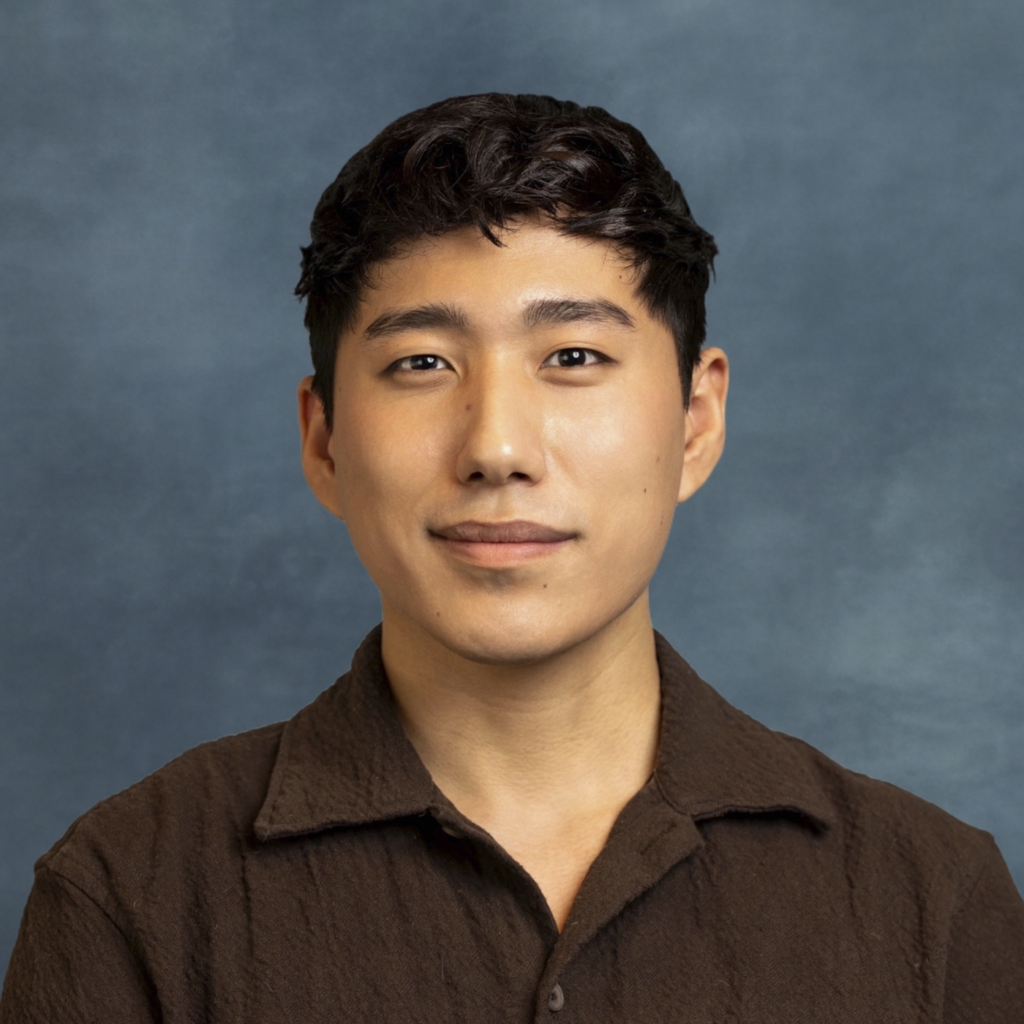
Tenzin Ngodup, PhD
Postdoctoral Fellow
Tenzin Ngodup, PhD
Pancreatic Cancer | Tumor Immunology | Tumor Microenvironment | Cancer Biology | Translational Research
Tenzin Ngodup earned his BA in Molecular Biology, Biochemistry and Integrative Sciences at Wesleyan University, followed by a PhD in Pharmacology from the University of Michigan Medical School. During his doctoral studies, he conducted research in pancreatic cancer biology and tumor immunology under the mentorship of Dr. Kyoung Eun Lee and co-mentorship of Dr. Marina Pasca di Magliano in the Lee lab. His doctoral work focused on understanding how hypoxia regulates cancer-associated fibroblast (CAF) function, tumor-stroma crosstalk, and immune suppression in pancreatic cancer. As a postdoctoral researcher in the Immunogenomics Lab at Biohub, he is interested in studying the roles of gene enhancers in regulating immune function, cancer progression, and therapy resistance. Outside of research, Tenzin enjoys cooking, botany, attending concerts, and traveling.
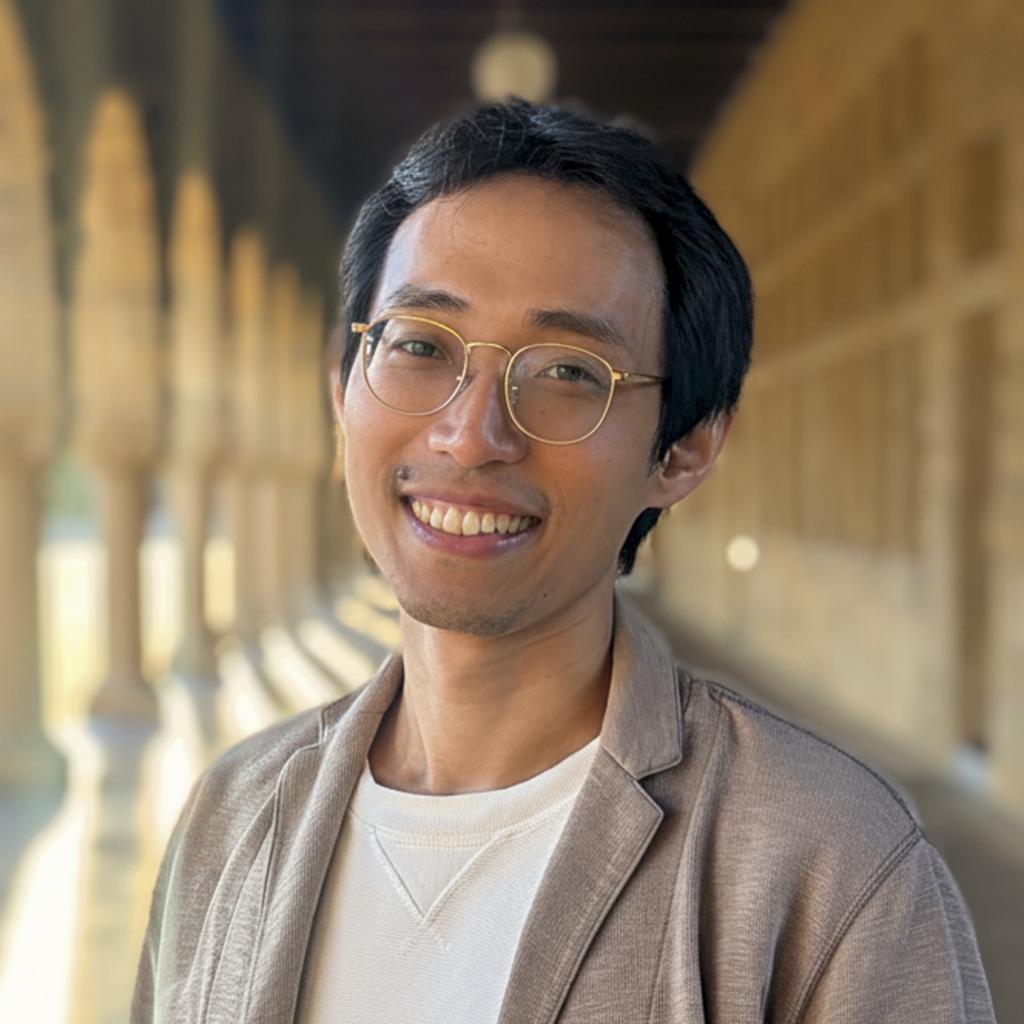
Chris (Dong Shin) You, PhD
Postdoctoral Fellow
Chris (Dong Shin) You, PhD
Gene Expression Regulation | Multi-omics Techniques | High-throughput Microscopy
Chris earned his BA in Biology and Political Science at Swarthmore College, then worked at Rockefeller University as a technician at the Brivanlou lab studying early human development. He next obtained his PhD in Biology at Stanford University. In Dr. Jan Skotheim’s lab, Chris studied how cells coordinate gene expression with cell size using multi-omics techniques and high-throughput microscopy in collaboration with Dr. Daniel Larson’s lab at the NIH. As a Postdoctoral Fellow in the Mahat lab, Chris is interested in understanding the the effects of p53 mutation on downstream transcriptional regulation and how they could be leveraged to enable novel cancer treatment pathways.

Arthur Chow, PhD
Scientist

Arthur Chow, PhD
Protein Engineering | Chemical Biology | Cancer Immunotherapy
Arthur Chow is a California native who earned his B.S. from the University of California, Merced before heading east to work as a research technician in Dr. Michael Kharas’ lab, studying the role of RNA regulators in blood cancers such as MDS and AML. He then pursued his Ph.D. in Dr. Arvin Dar’s lab at the Icahn School of Medicine at Mount Sinai, where he developed chemical tools and drugs to dissect the oncogenic signaling network of critical kinase regulators. For his postdoctoral work, he joined Dr. Caleb Lareau’s lab at Memorial Sloan Kettering Cancer Center to advance de novo protein design tools and apply them towards building novel immunotherapies at scale. As a scientist in the Mahat lab, he is excited to bring his multidisciplinary background to push scGRO-seq towards unlocking new mechanistic insights and eventually novel therapeutic modalities. Outside the lab, Arthur loves bouldering, cycling, running long distances, and hunting down new restaurants all over NYC.
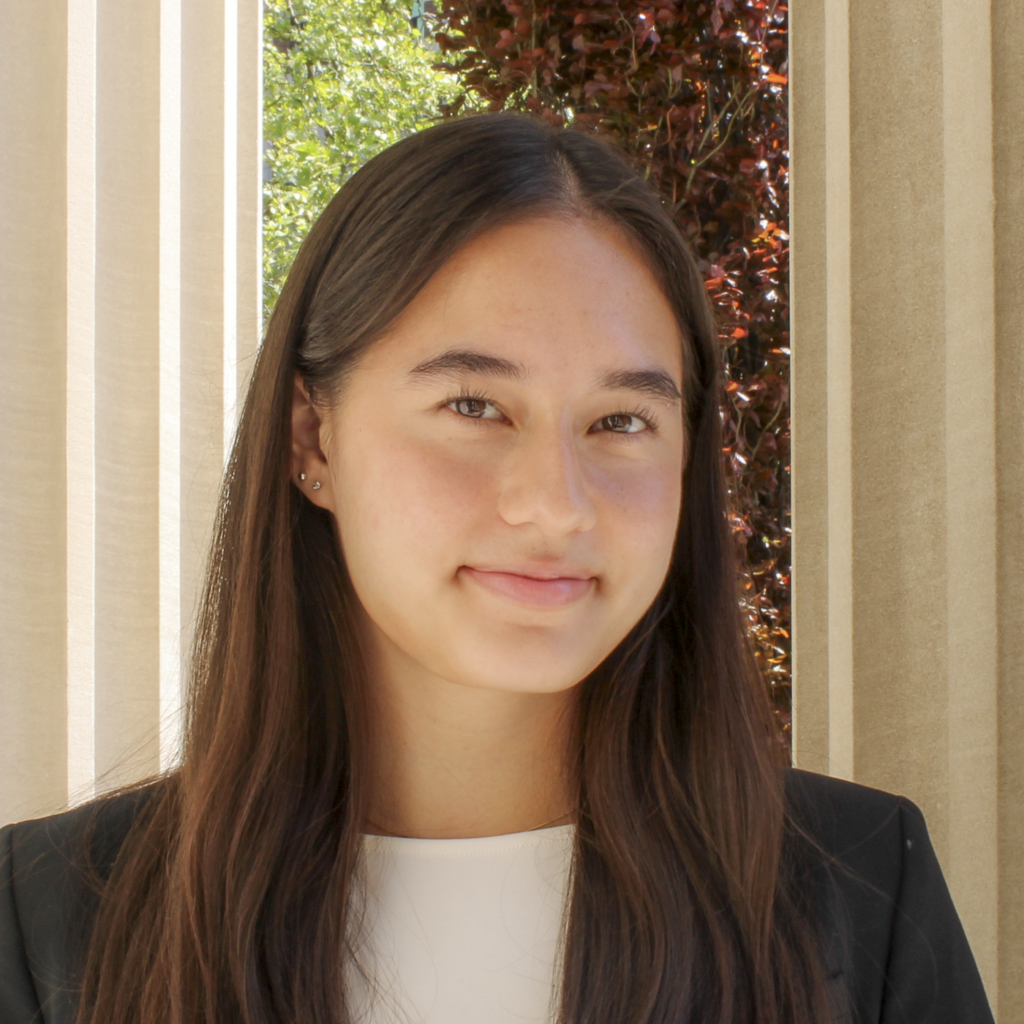
Justine Jaremko
Undergraduate
Justine Jaremko
Justine Jaremko is a third-year undergraduate student at Barnard College, Columbia University studying Cellular & Molecular Biology and minoring in Science and Public Policy. Her main interests lie in cancer research, and she has previously conducted research in cancer drug discovery and triple-negative breast cancer disparities. She aims to cultivate a deep understanding of mechanistic biology alongside learning about structural determinants of health and the sociological factors that shape health and medicine. On campus, she’s involved in Columbia Students for Global Health, Equity, and Medicine, Columbia Undergraduate Science Journal, and Columbia Healthcare Consulting Group. In her free time, she enjoys running in Riverside park, reading, and taking walks with her dog, Bear.
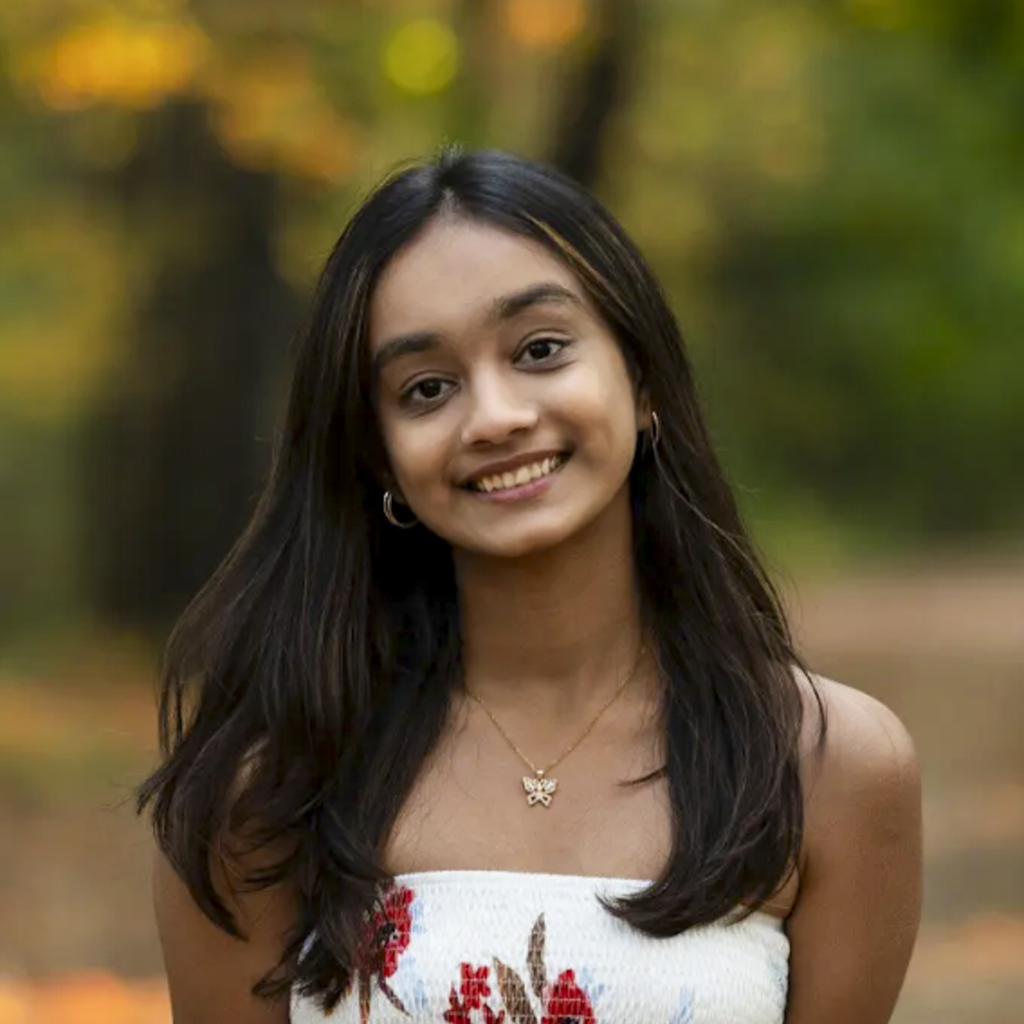
Palak Yadav
Undergraduate
Palak Yadav
Palak Yadav is a second-year student at Barnard College studying Biochemistry and Urban Studies. She has research experience in miRNA pathways in gynecological diseases and is excited to learn more about how transcriptional pathways shape cancer treatment outcomes. She is interested in understanding what makes diseases difficult to treat at both the molecular and societal levels. In her free time, she enjoys dancing, experimenting with different kinds of matcha, and exploring the city.
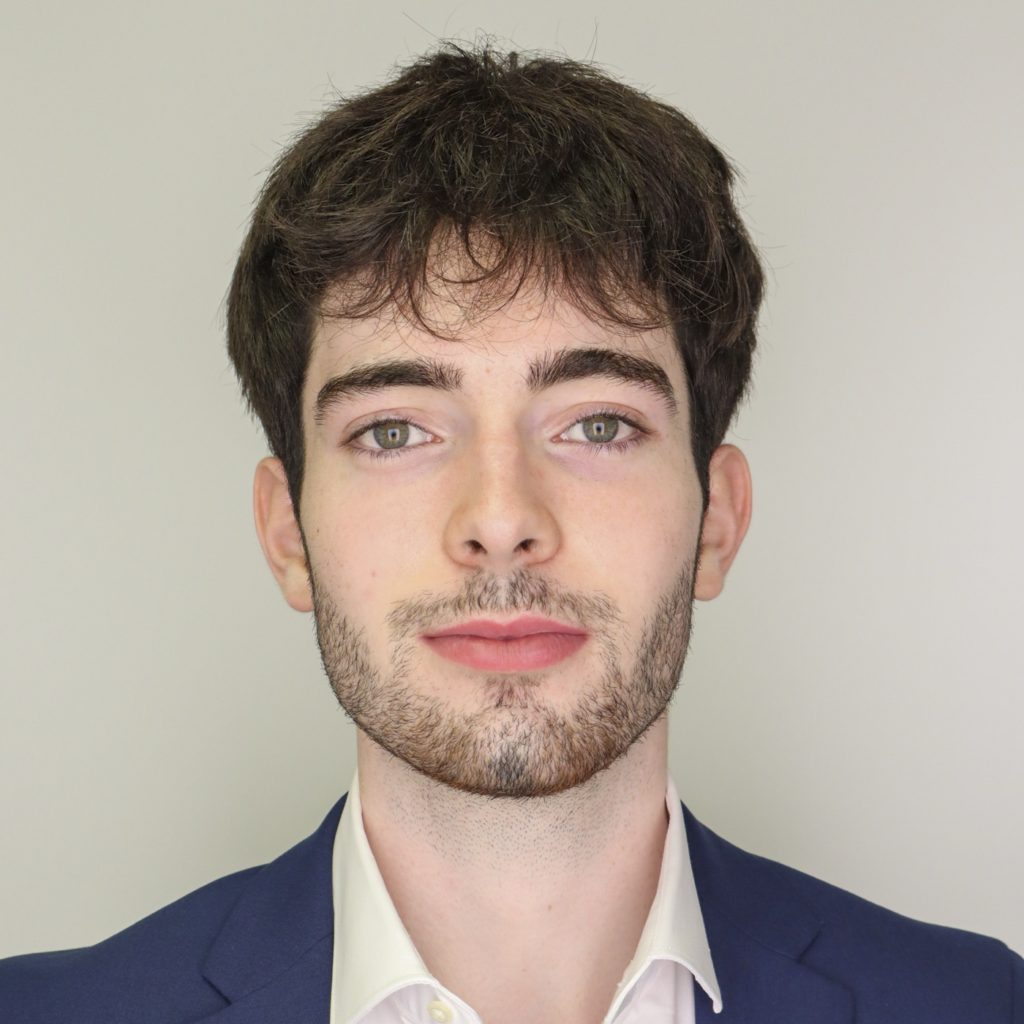
Luis Barrenechea Arana
Undergraduate
Luis Barrenechea Arana
Luis Barrenechea is a sophomore at Columbia University studying Biochemistry. Originally from Spain, his main interests lie in understanding the biological mechanisms underlying disease. He previously gained research experience at the Center for Applied Medical Research (CIMA) in Pamplona, where he worked with the Parkinson’s Disease Research Group. On campus, he is involved in Scientists and Engineers for a Better Society. In his free time, he enjoys working out, spending time with friends, and listening to music.
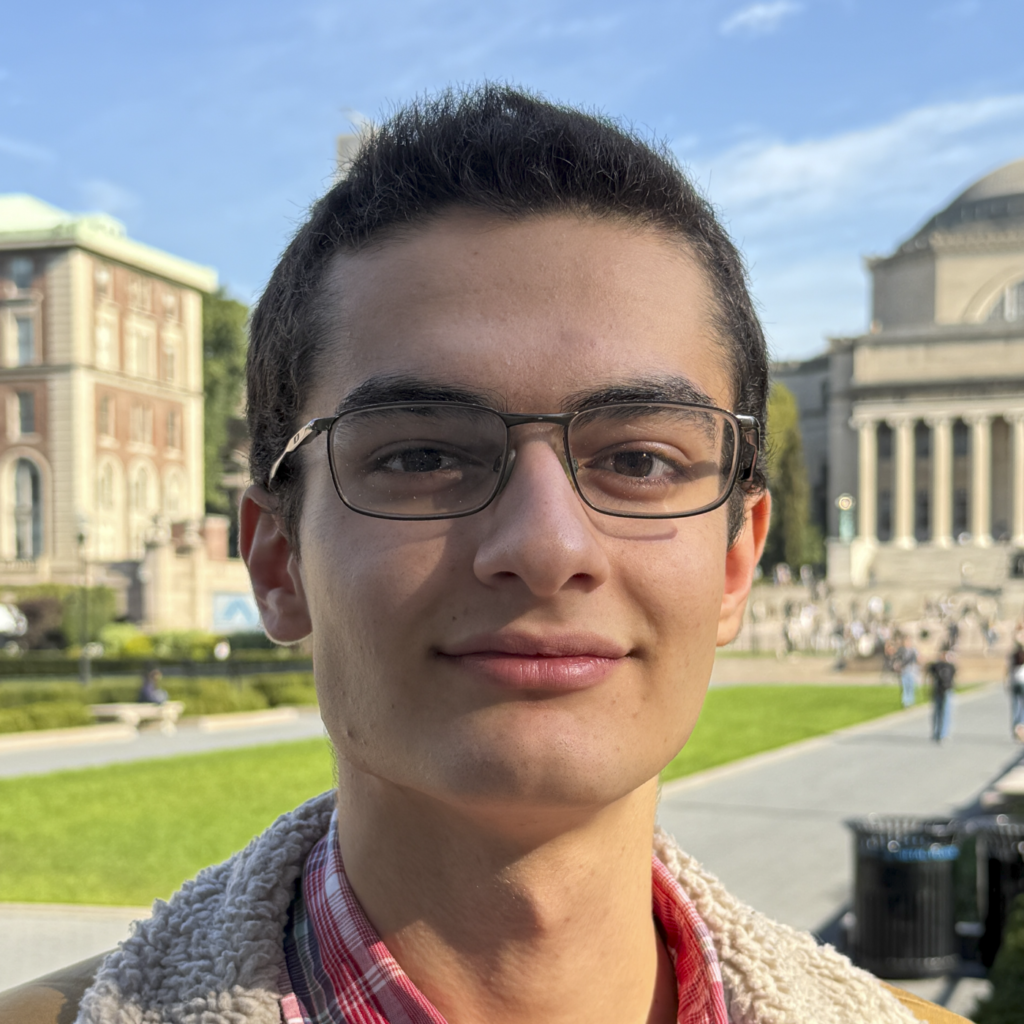
Aydin Gasimov
Undergraduate
Luis Barrenechea Arana
Luis Barrenechea is a sophomore at Columbia University studying Biochemistry. Originally from Spain, his main interests lie in understanding the biological mechanisms underlying disease. He previously gained research experience at the Center for Applied Medical Research (CIMA) in Pamplona, where he worked with the Parkinson’s Disease Research Group. On campus, he is involved in Scientists and Engineers for a Better Society. In his free time, he enjoys working out, spending time with friends, and listening to music.
Lab Alumni
Emily Metcalf
Sarah Castro
Tina Jiayu Fu
Shayla T Nguyen
Yu-Chi Chen
Sean Waterton
Skyler Kaufman
Arundeep Singh
Nathan Han
James Howell
Gabriela Johnson
Research Associate
Research Associate
Research Associate
Undergraduate
Undergraduate
Research Associate
Undergraduate
Research Associate
Undergraduate
Undergraduate
2022-2023
2020-2022
2020-2022
2020-2021
2020-2021
2018-2020
2018-2020
2018-2020
2018-2019
2015-2016
2014-2016